
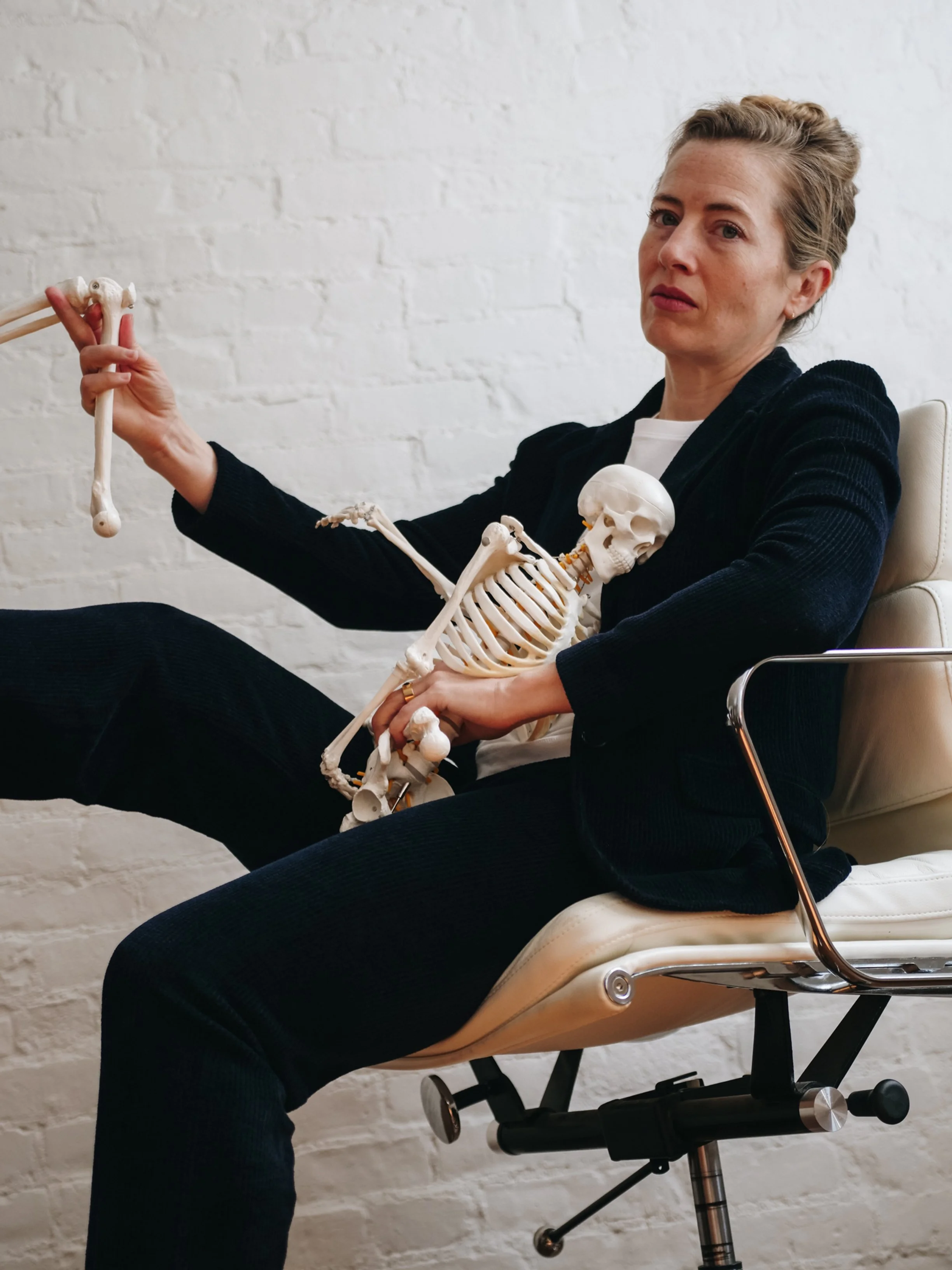
Philosophy
We were made to move.
Movement defines and determines the vitality of our lives. Our minds must move; our bodies must move. I view dance artists as researchers and stewards of embodied intelligence, human movement and its expressive potential. Beyond the studio and stage, dancers contribute discipline, capacity for collaboration, attunement to others and a profound, lived knowledge of the inevitable importance of the body – attributes that are critically important in an age of technology and artificial intelligence.
I want to build a new culture of dance where artistic excellence is built on, not despite, dancer health. In this world, dancers experience greater health, dance throughout their lives, and enjoy more of the exquisite work they generate. Ultimately, this allows us to deepen our clarity about the unique intelligences that comprise dance and how they contribute to and are necessary for the world.
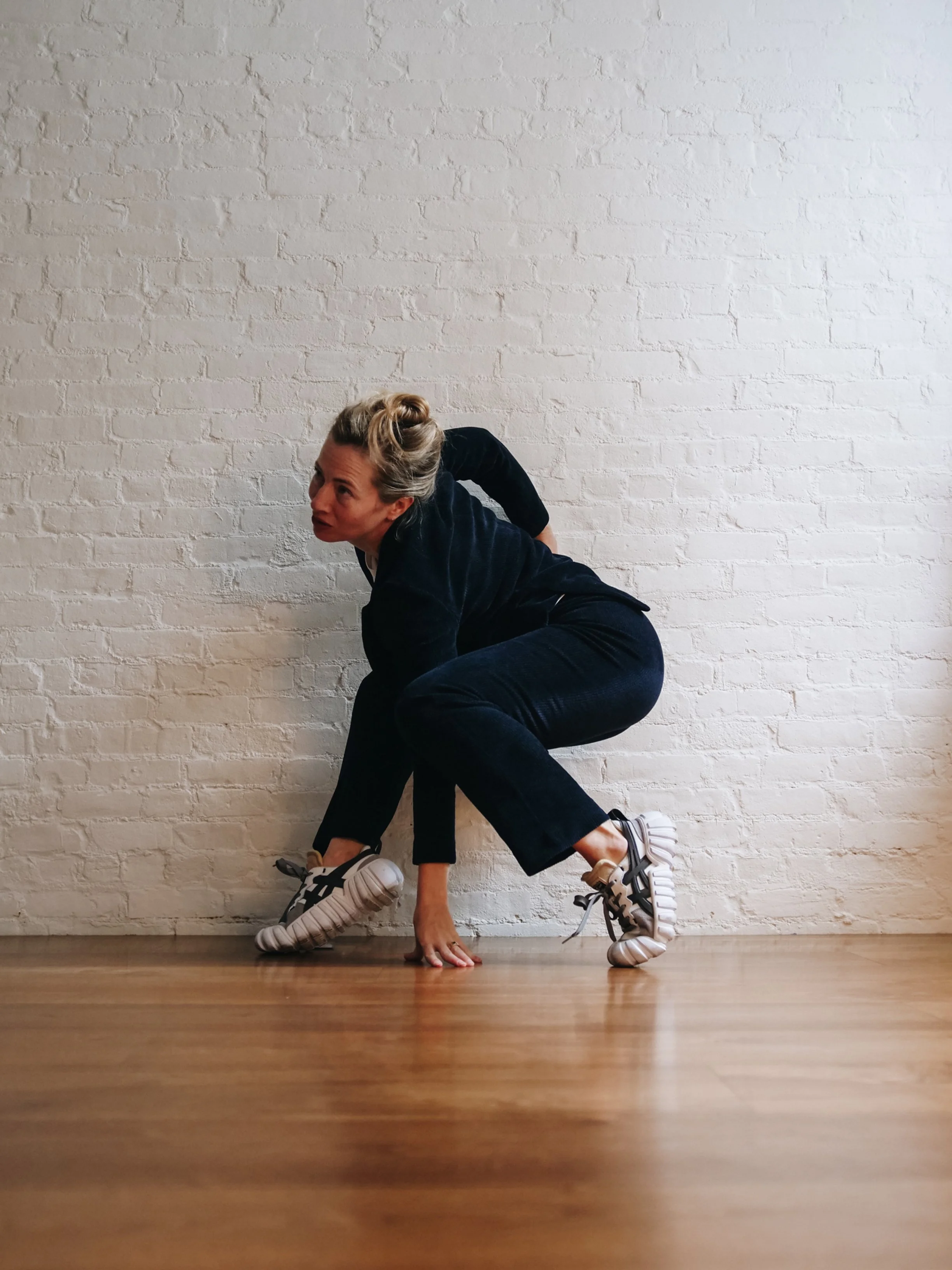
Method
Seeing, sensing and strategizing the moving body through an anatomical lens and dance vocabulary.
What is a good body, a good foot, a good plie? A good dancer? My method unpacks the assumptions and questions we’ve inherited about what is valuable for our art and how it is achieved.
When we are trained to see, sense, and strategize movement through an anatomical lens, we are better equipped to understand and coach a dancer’s movement – no matter the dance style.
My methodology emerged from years of study of anatomy and kinesiology while working professionally as a performer and choreographer with luminary dance artists and pioneering movement scientists, most notably choreographers Sara Rudner and Russell Dumas, and anatomist Irene Dowd. I also credit the influence of each dancer I’ve been fortunate enough to spend time in a studio with, as a colleague or student.
This methodology combines a strong base of musculoskeletal anatomy, an understanding of motor learning, and a physical practice that brings this information into action, to make training easier, more effective, and safer through clear cueing, targeted exercise selection and invention, program design and sequencing.
In my classes, I share tools to help dancers achieve their best performances while reducing risk of injury or while recovering from injury. I want my students to know not just how the body functions, but how their bodies function, giving them the the skills to access greater ranges of expression as performers and creators, and to become expert at problem solving new movement challenges.
You can experience this methodology in my classes and workshops or learn how to apply it yourself in Foundations℠.